

Eternal Easter is a series on the feasts of our lives; what nourishes us, what doesn't, and how to tell the difference. This is Part One.
You are not looking for the wrong things. You are looking in the wrong places.
“All of humanity’s problems stem from the inability to sit quietly in a room alone.” Pascal made this observation in the 17th century but today, it has only deepened in relevance.
That agitation, that dissatisfaction, that restlessness – that is the gap between you, and everything you just consumed that deepens every time you put down your phone after a long scroll.
What is that feeling? It’s deeper than discontent, it’s wider than envy or inspiration, and bigger and more disruptive than any distraction.
It’s uncomfortable because it’s an unconscious acknowledgment of something pressing at our awareness: that there’s a gap, and we cannot fill it.
We might not recognize it as a gap, but we sure know it as a hunger. More and more, we are starving for something real, something of our own, something that makes us feel alive and here in this life.
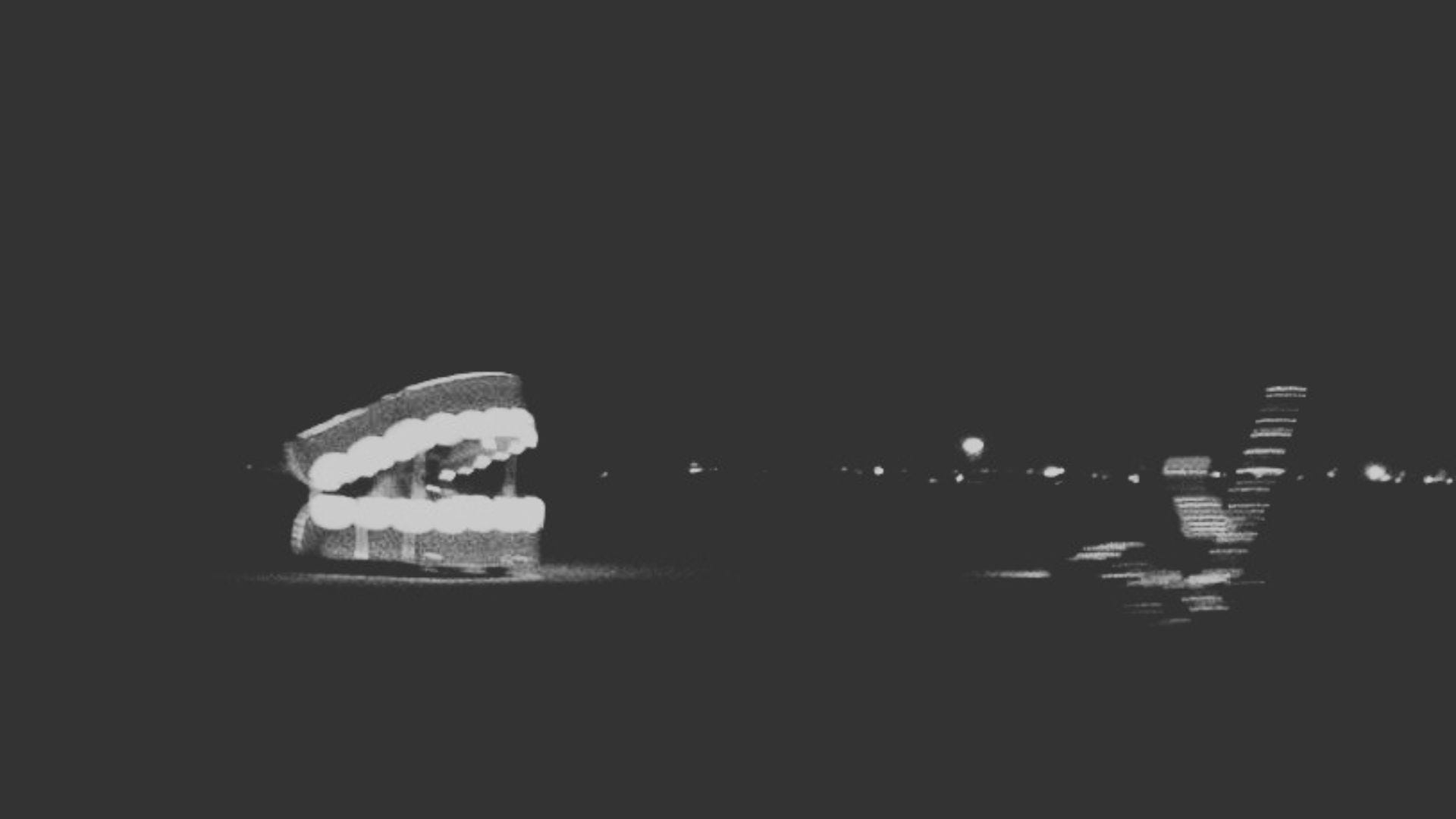
I have hunted this eagerly myself, on an aggressive quest to satisfy the insatiable hunger for life; loudly pursuing the moment where time unbound me and I was nothing but fully alive.
I sought high, open mountain tops and wide, wild oceans. I went faster, higher, further – and every now and then, I would find it. But so much time seeking left no time for finding, and eventually I’d find myself empty and searching again.
Maybe your hunger is quieter, or maybe it’s louder – but you too, try to feed yourself in different ways: horror films to awaken you, gambling to excite you, the rush of new love to refresh you. A smorgasbord of cheap thrills can be summoned by our fingertips, all promising to close that elusive gap, the gnawing hunger, before we’ve even registered what it is we are searching for.
But while they can feed us, they can never nourish us. Although they promise a feast, they deliver a shell.
The most insidious versions cost nothing and return the weakest crumbs; faint signals tricking our brain into believing that watching someone else eat is the same as eating for ourselves. You are salivating over the addictive tease of watching another feast, even when you know it’s fake, and mistaking it for your own. So you swipe on, spending entire days consuming a cornucopia, yet always coming away starving.
Eventually, the biological collides with the existential and you are forced back into now. Hungrier than ever, you must reckon with the physical demands of the body as the psychological ones cling with threatened awareness…that in the absence of what almost works, but never does, there is now a gaping void. The unavoidable gap.
You know when you feel it. Overcome with a sudden urgency to make up for lost time and do something productive. In this space, the laundry gets folded, the dishes get washed, the bathroom might even get cleaned. Each completed task becomes justification for numbing what you know but wish you could forget. Ironically, as you busy yourself, the work is filled with other people’s voices from podcasts or shows, but it’s easier to justify since you’re doing something.
And when you’re done? The screen opens again as a break, the digital pacifier of our age. What was the pacifier used for with the newborn anyway? A means of self-regulation from which we eventually have to wean the baby off, in place of more nurturing ways to find comfort. But the phone is pulling us from real life instead of towards it.
The baby needs a pacifier to fill the gap between moments of care, nourishment, and attention because their nervous system has not yet learned to find safety from within. The baby must receive that safety from others, until they learn to give it to themselves.
Even with the best effort, many of us, most of us in fact, didn’t learn this lesson in full because you cannot, really. There is no perfect upbringing, and thank goodness, for it gives us a gap. A chance to learn for ourselves, of ourselves.
But most of us avoid this gap because, like the babies we once were, we don’t know how.
The gap is where we learn.
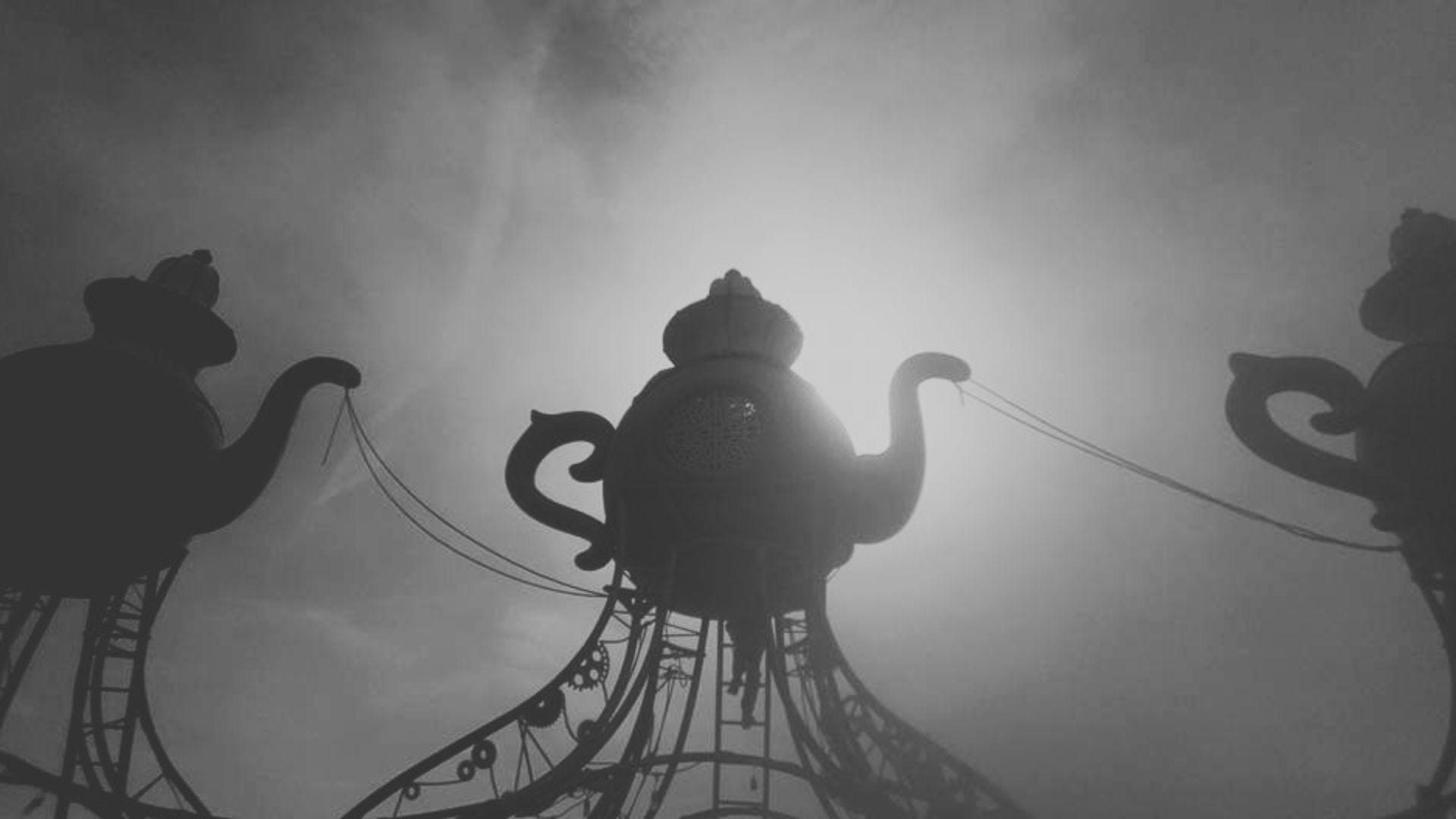
We think of the gap as the space between where we are and where we want to go.
But the gap is often a place we all know that we’d rather not admit. It’s the undeniable, often frustrating space that exists not before the goal, but inside it.
It’s gaining, finishing, achieving, arriving, winning, attaining finally The Thing that we seek, only to become eerily aware of how empty our vessel still remains. This thing that we exalted and pursued, that which held all the promises for fulfillment and satisfaction, arrives. And then, quite quickly really, after the joy of completion settles, we come to find that this too is unable to nourish us fully.
That’s just greed, you might think. Just ego. But you can’t intellectually trick yourself out of the immensity of truth in that feeling. It’s not more you seek, though you might mistake it so. And off some of you go for more – bigger achievements, higher status, a fresh relationship, a lower number on the scale, more money, more power, more stuff – but at each finish line, you are left with you and your gap, no more filled than it was when you were with so much less.
Most of us think a good life is something we can have if we work hard enough. Yet for all our careful planning, a lot of the good things and the bad alike come down to chance.
Luck determines the conditions of our life just as much as effort shapes what we do within them. Whether it’s good luck or misfortune that we experience, and to what depth, depends on how prepared we are to receive it.
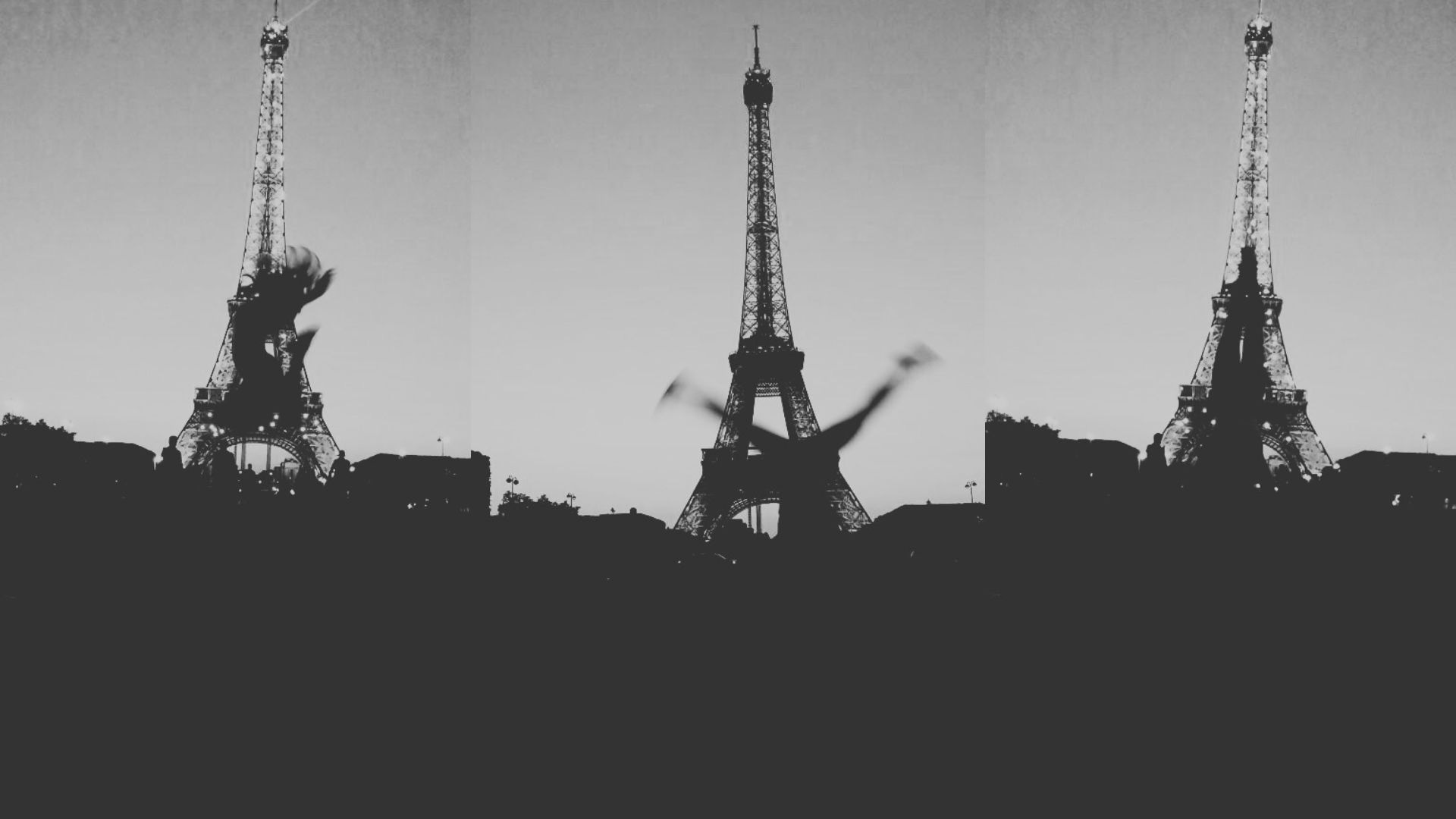
“If you are lucky enough to have lived in Paris as a young man, then wherever you go for the rest of your life, it stays with you, for Paris is a moveable feast.”
Hemingway lived his life as a testimony to what becomes possible when luck is met with the readiness to receive such opportunity. The Paris he knew as a young writer is not the Paris it is today; yet for those present enough to receive what is before them, any city, any life, can become just as rich a feast.
The true feasting of our lives arrives partly by conditions we do not choose. Whether the luck of that alignment becomes something we can carry – whether it nourishes us for a lifetime or passes through us undigested – depends on whether we have learned to sit at the table rather than hunt for a seat at it.
Hunger sharpens our perception. Real hunger widens the senses and opens awareness to our environment in broad search of something, anything to feed it. Many people go to Paris expecting a sweeping impression of romance and history, so they come back with digital pictures, souvenirs, and little else.
You cannot carry Paris with you unless you were present enough to let it in.
Hemingway knew this as a young man in cold cafés, genuinely hungry, genuinely poor, writing through unfiltered observation; this was his preparation. And yet so many of us are too ill prepared to notice our luck when it’s before us, so we make another pass through the buffet and wonder how, with so much variety, we are still so starving.
Perhaps like me, you are here, too. Finding yourself in the final thirsty seconds of reading this, also famished for an unknown nourishment. I might know where to find it, but first you’ll have to tuck my voice away and find your own as you relinquish the seeking of the mind for what the body already knows.
Go eat, go outside, go live. And when you’re ready, part two will be served.
When you are ready, fix yourself up for Part Two: The Gap.
Crunching, munching, and drinking up the sunshine with you, SJT
Hello human reading this - I am a NEW writer and I want to get better at writing. If you actually read this and made it to the end ANY FEEDBACK - no matter how blunt or hard- is genuinely and truly appreciated.
I’m a professional bodybuilder so studying our weaknesses and working to make them strengths through specific criticism is my jam. I really want to improve my studying human impressions before asking the dreaded AI-bots. THANK YOU. 🙏🏻