

Eternal Easter is a series on the feasts of our lives: what we think nourishes us, what never can, and what actually does. You can start here. But if you want to feast, Parts One and Two are the full experience. Find the beginning here: Part One: The Hunt is a good place to start.
SOMEWHERE IN THE MIDDLE
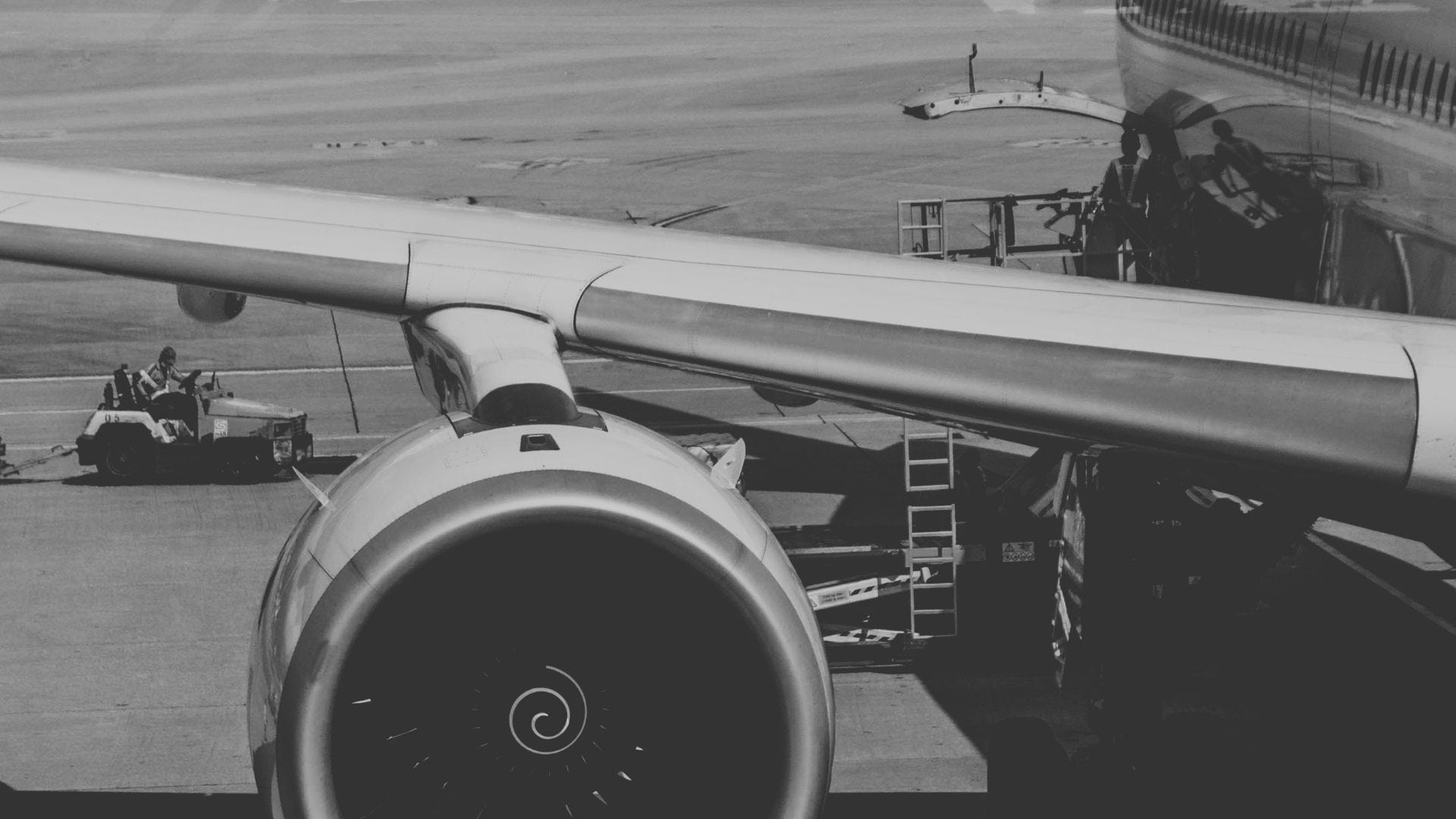
I was headed East for a summer celebration on a budget flight that had a connection stop in the middle of Canada— Saskatchewan, I believe. Upon arrival, we were all asked to get off the plane but to not leave the airport. We were crammed in a stuffy cranny with high windows looking out at our plane, not able to access it, waiting for the layover to conclude.
Half-way through the expected time, a fuzzy announcement declared that due to unforeseen circumstances, the layover would now be twice as long. We were instructed to stay in the same place and wait. A short while later, they announced it was further delayed. Then again, one more time. One hour stretched into eight but still, we all stayed there stuck, suspended in a hot and dirty corner on the promise of just a little longer. The worst part was the uncertainty; if we had known it would be eight hours from the beginning, we might have left and come back, gone to eat. Instead, in the buzzing and stuffiness, with time getting tacked on again and again, we were stuck in limbo.
I remember sitting on the dusty floor by a window trying to sleep, then in my restlessness, trying to do walking lunges around the gate without getting sweaty, then approaching the counter only to find a long line and no information, pacing, reading without focus. All of this among the crying, the complaining, the sneezing, the coughing, the burping, the slurping, the chatter, and above all, the intermittent announcements for other passengers and other flights, with my own carefully attentive ear straining for anything about my own, yet always finding only its conspicuous absence.
Exasperated, exhausted, and entirely overstimulated, I sat to meditate in a final effort to rein some personal control over the uncontrollable chaos that surrounded me.
Once again, I settled into the agitating routine of wrestling my mind toward stillness as I had often done so unsuccessfully for months prior, but this time, something gave way. I was so astonished to slip into a peaceful centre, a place I never had before, that I almost shocked myself out of it. But getting there was no issue anymore. I found myself in a calm and nurturing stillness that felt just like a hug for my brain.
Inside the tender threshold between sleep and wakefulness, I truly had nowhere to go, so I remained there, for how long, I will never know because time had completely unbound me. In my new posture that espoused an uncharacteristic calm, the interval between sitting down on the ground to sitting back in my seat on the plane was of no matter other than a pleasant pause. I don’t clearly remember how awareness beckoned me back into reality, but eventually I learned that a new plane had arrived, and we were ready to fly again.
The final diagnosis was that the airline’s older plane had fully given out. The airline, and consequently, all of us the passengers who had just taken the dying plane’s final flight, had to wait until another plane in better shape arrived to take us to our final destination. The strange part was, most of us just wanted to get it over and done with —to get to where they were going and get on with it already.
Many people were complaining about the wait, but none were grumbling about the fact that we had just flown on a plane that was now deemed unflyable, nor how terrifying the consequences of that fact might have turned out otherwise.
The part we try to ignore is that we are much like that plane. If we don’t stop, we will be forced to stop, for a long and unknown time, sometimes even permanently taken out of commission before we reach the destination we had intended for ourselves.
THE ART OF SURRENDER
When you think of places that can teach you the peaceful art of surrender, the airport is the most unlikely. It is arguably one of the greatest modern conveniences to travel, but the general sentiment is that it is one of the greatest modern inconveniences to the psyche. It is here that I learned to surrender.
The thing about learning to surrender is that you do not just learn it once. It’s an art form that you must practice, over and over again.
I wanted to practice meditation. I intended to get there through discipline and commitment but right as I was on the verge of declaring ‘it’s not for me’, life offered the most unlikely teacher. The airport offered an opportunity to approach things differently, and it worked. But you cannot rely on the alignment of conditions, good or bad, alone to seize the invitation. You have to be ready to claim the good when it’s presented to you. And it’s often presented in a silver lining that’s easy to miss if you’re not in the habit of searching for it.
Life continues to encourage me to practice the art of surrender, always in different ways that would be otherwise easy to mistake for something bad, or to miss entirely. Sometimes the opening crashes in, booming and demanding. Other times it’s soft, subtle, less urgent. But the more I devote myself to the art of surrender, the more I find glimmers, hints, windows of peace in the extraordinary everyday.
In fact, it is available at all times and to everyone. Even you.
But most of us neither accept the invitation, let alone do we even notice it.
For all our careful planning, a lot of the good things and bad alike come down to luck. Luck determines the conditions of our lives just as much as effort shapes what we do within them.
The flight gets delayed. The plane breaks down. The peaceful centre of meditation, sought for months yet never found, magically arrives in a Saskatchewan airport on a dusty floor among strangers. You cannot schedule that. You cannot plan it. You can only be ready for it, or not.
Saskatchewan was the luck. The months of sitting down and trying, failing, sitting once more and trying again was the preparation. And my ability to feast from that moment required both.
This is the thing about a moveable feast. It does not arrive on a day you circled. It arrives when two incommensurable rhythms finally angle toward each other. It’s both your striving and your surrender, your hunger and your stillness. You cannot force the alignment. You can only keep walking in the right direction and trust, the same way we trust the ecclesiastical moon, that the calculation is close enough.
You either believe or you don’t that if you attend carefully to the life in front of you, the feast will find you. But you have to know what you believe and commit to it fully because the level of your conviction is the level of your preparation. And you receive to the depth and fullness of how well you prepared.
The gap, the hunger, the surrender, the practice— these are not the opposite of the feast. They are how you get prepared for it.
The path reveals itself as you walk it. You cannot see the whole road. You can only attend to where you are standing, and trust that if the conditions are right and you are ready to receive them, what is meant to nourish you will. The satiated soul recognizes the feast not because it was announced, but because it was ready.
A MAN NAMED LEN
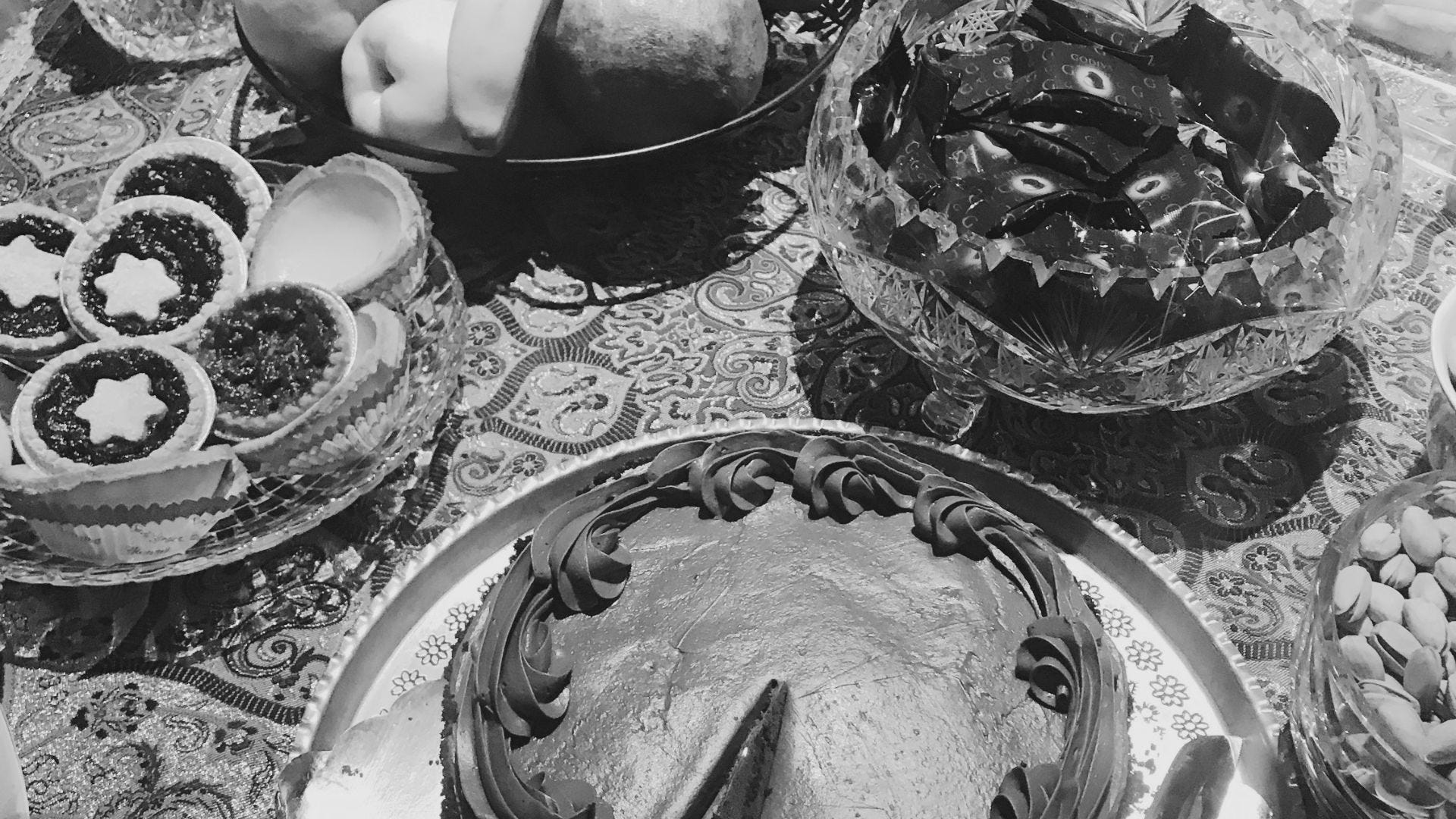
This Easter was my first Easter with my family in a decade. It was also the first Easter we all spent without my granddad, a man named Len. Len was not just the figurative head of the family, he was also the heart of it.
Loud, playful, and always leading us through new culinary and trivia explorations, his powerful voice lingered in a room long after the aromas of his ambitious cooking had left.
He died suddenly, though not entirely unexpectedly, early June. Much like the plane, his course stopped not quite where or how was expected, but his journey ended irrevocably, nonetheless.
Being my grandfather’s granddaughter, I am shaped by a similar playfulness, inquisitiveness and adventurousness. At its best, it’s loud laughter and tight hugs, an insatiable curiosity and a get-it-done nature, and a broad sense of real love. But at its worst, it’s a booming clash of something misunderstood or misheld, a restless and unsettling energy for life beyond this, and a massive absence— a large, looming gap in love, unrequited the way I might hope it to be.
My perception of my granddad is a fragmented portrait of a mysterious man named Len, who seemed deeply unsatisfied, an unsatiated man. A seeker, but not one who was looking for peace, wisdom, or the gifts from within, but one always seeking something else outside himself. He had luck. He traveled every corner of the world, built a life of real outward substance and filled it with real adventure. But the feast never became portable. It never became something he could carry.
When I declared my decision to move West, he boldly told me: “You can’t outrun your problems.” I realized now that he wasn’t talking to me. For my part, I was never trying to outrun anything, but rather I was running toward the version of myself I knew that I could be. The one I am still becoming now. I know now that it was advice he was giving himself, unconsciously, it seems as it was advice he never quite managed to take.
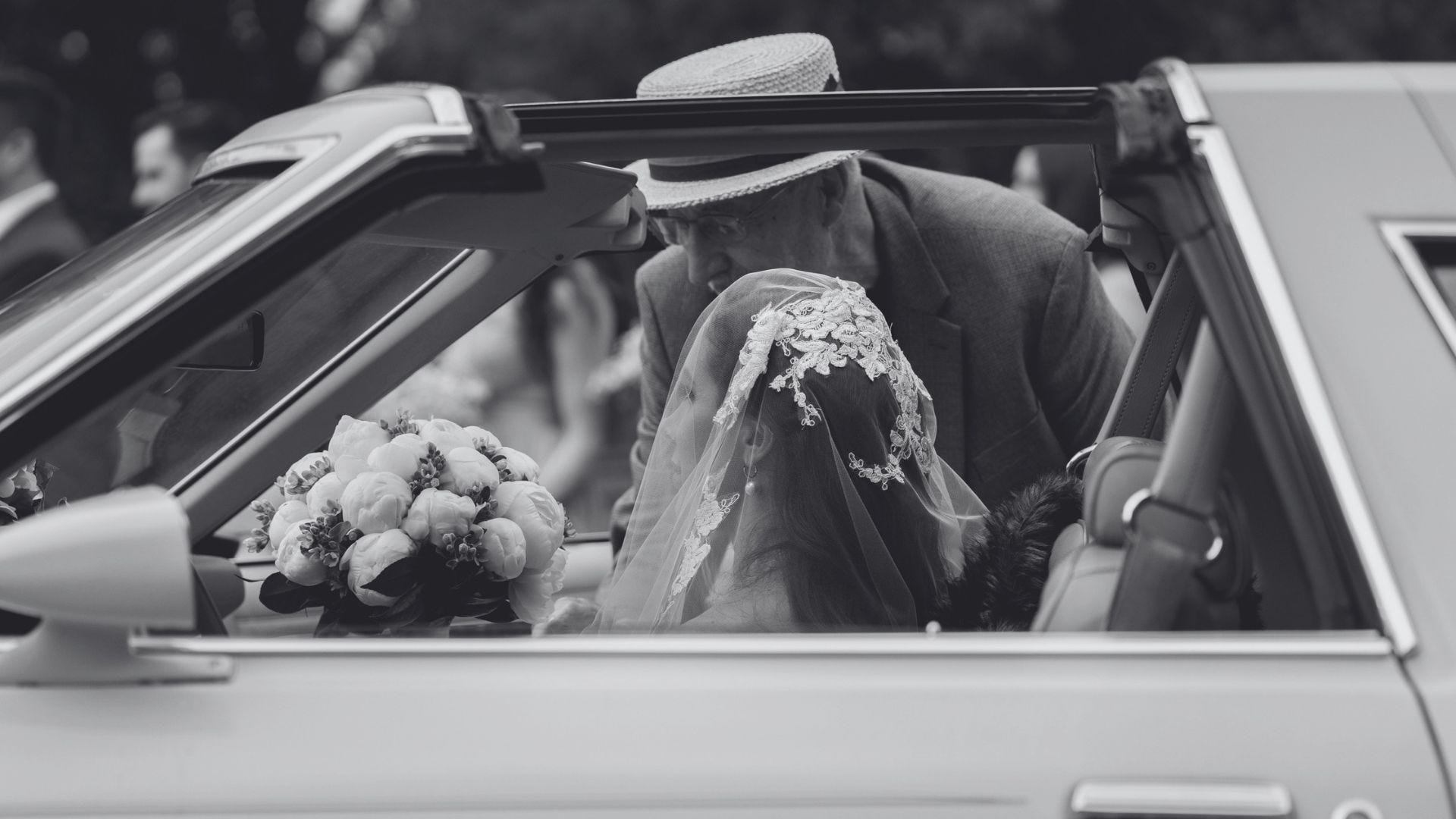
You cannot carry Paris with you unless you were present enough to let it in. Len saw Paris. He saw a great deal of it. I hope, in the moments I couldn’t see, that some of it stayed with him.
This Easter we all felt his absence and his presence at once. While I could no longer offer my granddad an invitation to feast, the rest of our family was all here.
I decided to offer the invitation in physical form. I stood up, I cleared my throat, and I invited everyone to play a game.
The final instalment of Eternal Easter offers an invitation to play, and also to feast. But right now, it’s time for me to feast in a literal way.
𓌉◯𓇋 Preparting to surrender, and return satiated with you, SJT
If you’re not yet subscribed, the feast is free and always on time. The best way to support this work is to subscribe, share it with someone who might be hungry for it, and leave a note if it moved you. Your support means more than you know — thank you!